
How Frank Sinatra Broke Racial Barriers in Las Vegas
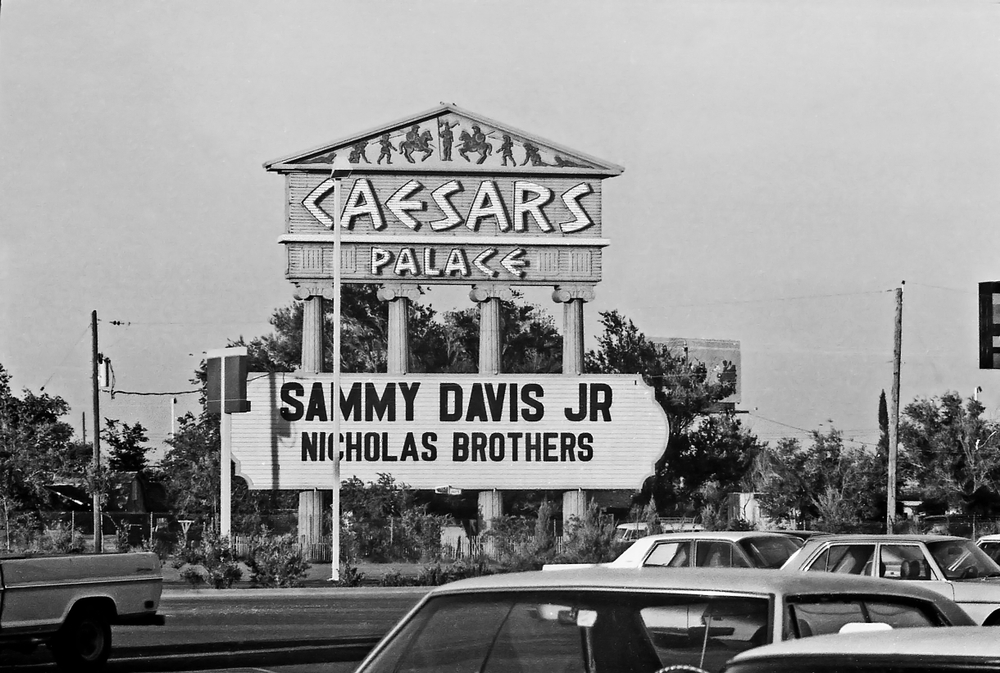
Frank Sinatra was an extraordinary man. Not only was he one of the greatest pop-culture superstars of all time, but he was also an accomplished actor who was stunningly generous in giving to charity, both in private and public. But one thing that is not usually talked about regarding this great Vegas icon is that he was a civil rights and anti-racism champion. I will let you in on a secret- Sinatra played a significant role in the desegregation of Vegas casinos and hotels in the 50s and 60s. He often demanded apologies for any racist incident and championed the abolishment of Jim Crow policies in Sin City before fulfilling his show contracts.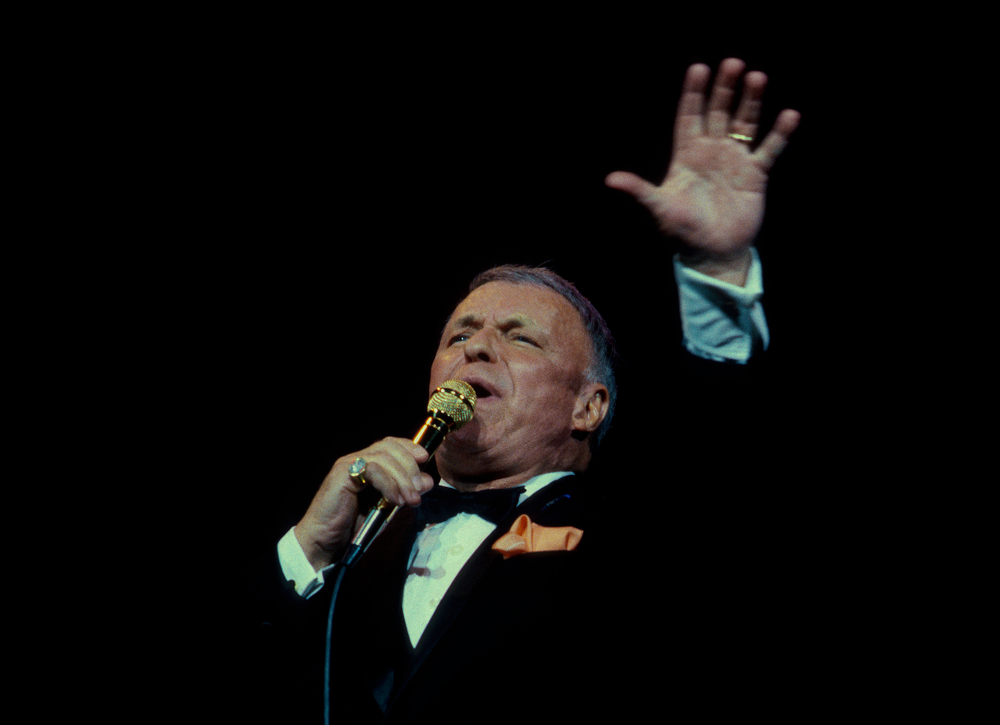
He was an Unlikely Champion
Frank Sinatra overcame his own prejudices while growing up because he was born in the rough, ethnic, working-class neighborhood of Hoboken, New Jersey. Ethnic conflict was common in his childhood because Italians battled the Irish. The Irish battled the Jews. Sicilians fought people from northern Italy. So, ethnic and racial barriers were all around him. I think this gave him the desire to overcome racism and set an example in show business.He Had an Open Mind and an Open Heart
Frank Sinatra was a great musician. And to him, the color of one’s skin simply didn’t matter. Unlike some of his contemporaries, he wasn’t jealous of Black performers. He embraced them and was always ready to give the upcoming artists a hand. African-American entertainers gave him great respect, both professionally and personally. This was a testament to who he was as a man and artist.Frank Sinatra and Civil Rights and How He Championed the Integration of Las Vegas
His power is well-documented. When he reached the top, he realized he had enormous pull in the entertainment industry. He began to insist that his orchestras must be integrated. Although this may not seem like a big deal today, it was then. He opened the door for many Black artists and sent a clear message to his audiences, saying that racism and prejudice had no place in his concerts. He was adamant that African-American entertainers must be treated well and equally. In fact, Black artists who played with him praised and respected him.